
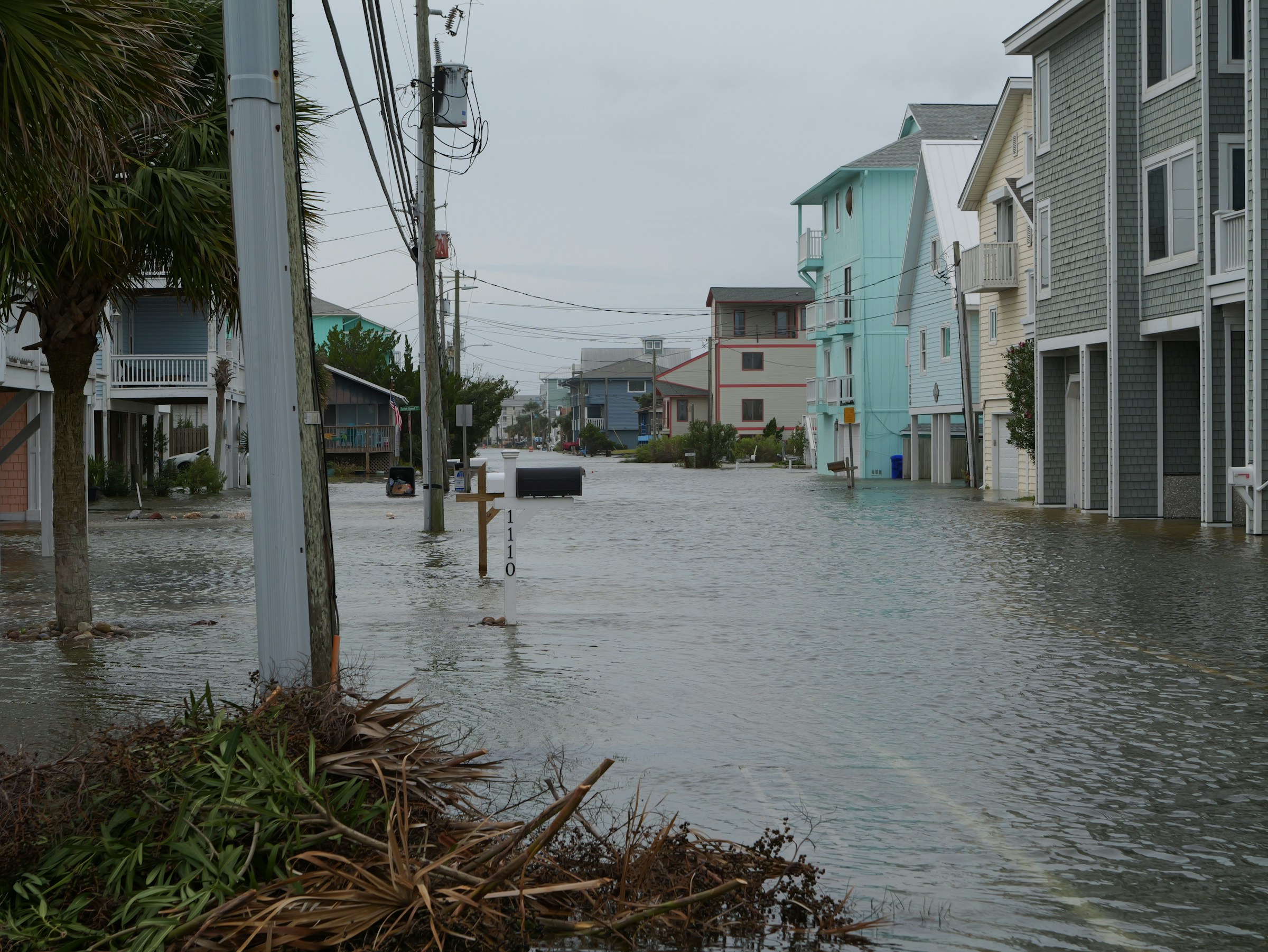
Coastal flood and saltwater water damage drying, Long Beach to Newport
October 9: waves broke through the Peninsula bulkhead between 65th and 66th Place in Long Beach and two buildings on Seaside Walk were red-tagged. Newport Beach asked people to avoid the flooded Balboa Peninsula.
Safe, documented, then dry
Stay safe
Keep the power off where water reached outlets or the panel. Do not go into a red-tagged building. A yellow tag limits entry; follow what the tag says.
Photograph first
Photos and video of every wet room, the waterline on the walls and the outside, before anything is moved or thrown out.
Call your insurer
Report the loss and write down the claim number. Keep a note of every call: the date, who you spoke to, what they said.
Stop the water
Temporary repairs to prevent more damage are expected. Keep the receipts.
Start drying
Get the wet rooms opened up and air moving, or call us to set up drying.
Keep what you remove
Do not make permanent repairs before the adjuster sees the damage. Keep a sample of what comes out and a record of every clean-up cost.
Steps 2, 3, 4 and 6 follow the California Department of Insurance storm damage tips; tag meanings come from city building inspectors. Questions about your policy: the CDI hotline, 800-927-4357.
Saltwater comes out first. Then we dry, and we measure every day.
Saltwater is cleaned out before drying starts. Then the water is extracted, air movers and dehumidifiers go in, and moisture readings are taken and logged every day until the materials are dry.
- Saltwater clean-out
- Extraction
- Air movers
- Dehumidifiers
- Moisture readings, logged daily
What the adjuster will ask for, already written down
- A photo report of the damage
- Daily moisture logs
- An itemized estimate in Xactimate®
KneppKraft started its Insurance Restoration Division after the 1994 Northridge earthquake, has been a Travelers preferred provider since 2000, and worked Hurricanes Katrina and Rita on the Gulf Coast. We document and estimate. The claim is between you and your insurer.
Flood is its own coverage
- Seawater coming in is flood, and homeowners policies typically exclude flood.
- Rain blown in through wind damage may be covered.
- A federal flood policy can deny mold that follows a “failure to inspect and maintain the property after a flood recedes,” so drying records matter.
Sources: CDI flood facts, NFIP appeal decision B15.
Same rates as before the storm
California’s price gouging law, Penal Code 396, applies to repair and clean-up work after a declared emergency. A deposit is never more than $1,000 or 10 percent of the contract price, whichever is less, the CSLB rule.
Sandbags and help lines
- Long Beach: the city’s flood hazards page
- Newport Beach: 10 sandbags per resident with proof of residency, Corporation Yard, 592 Superior Ave. Call 949-644-3055 to confirm.
- California Department of Insurance hotline: 800-927-4357
Call for a moisture assessment
We work the whole coast: the Long Beach Peninsula and Alamitos Bay, Belmont Shore and Naples, Seal Beach, Sunset Beach and Huntington Harbour, the Balboa Peninsula, Laguna Beach and Beach Road in Dana Point.
Local reports: Long Beach Post, FOX 11 and CBS LA, with the City of Newport Beach advisory, all October 9, 2026.