
Epoxy Crack Injection
KneppKraft is a licensed structural contractor in LA and Orange County. Structural-grade epoxy injected under pressure to bond cracked concrete back together, restoring load capacity in beams, grade beams, walls, and columns without tear-out.
A structural repair, not a cosmetic patch.
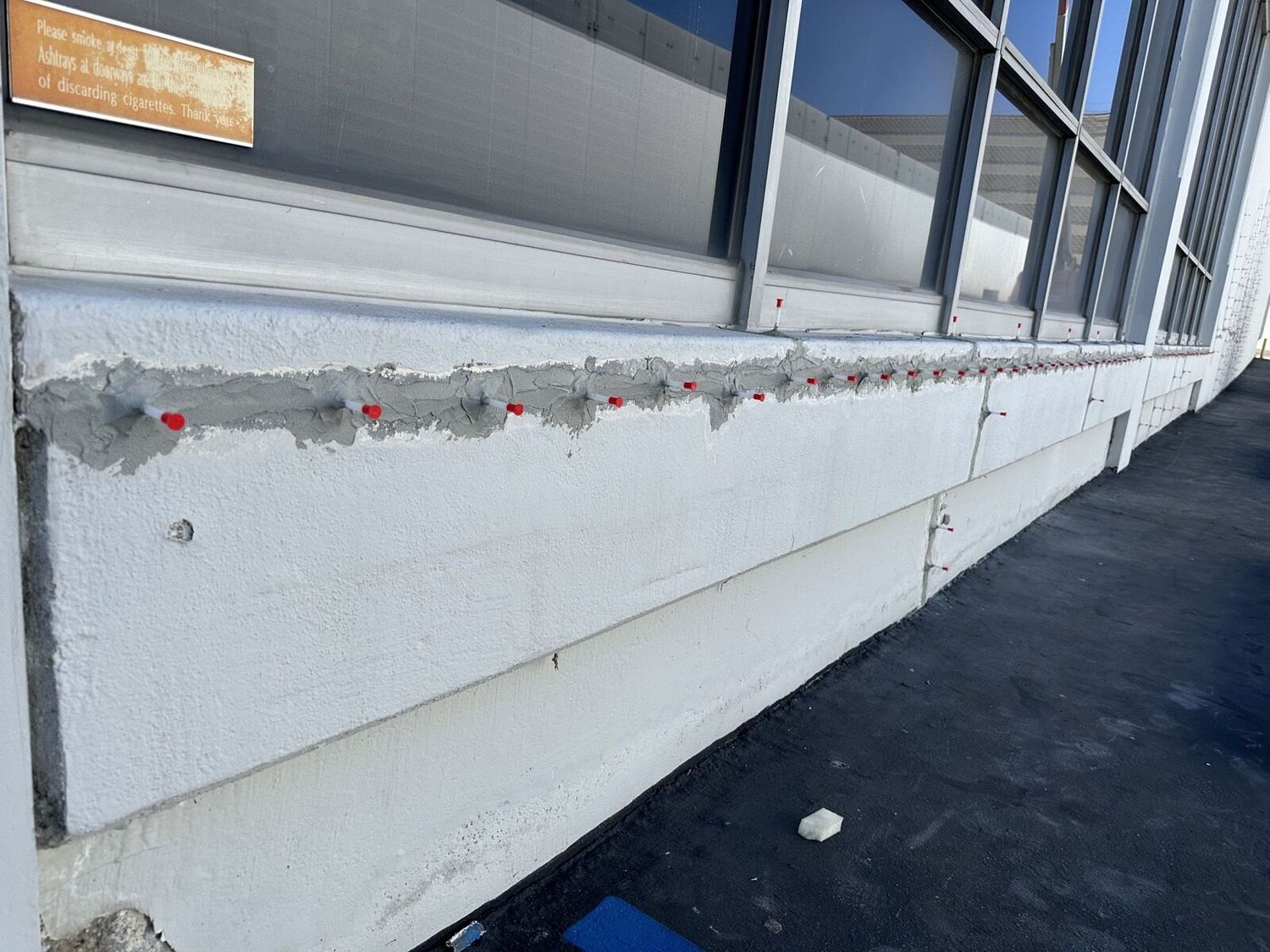
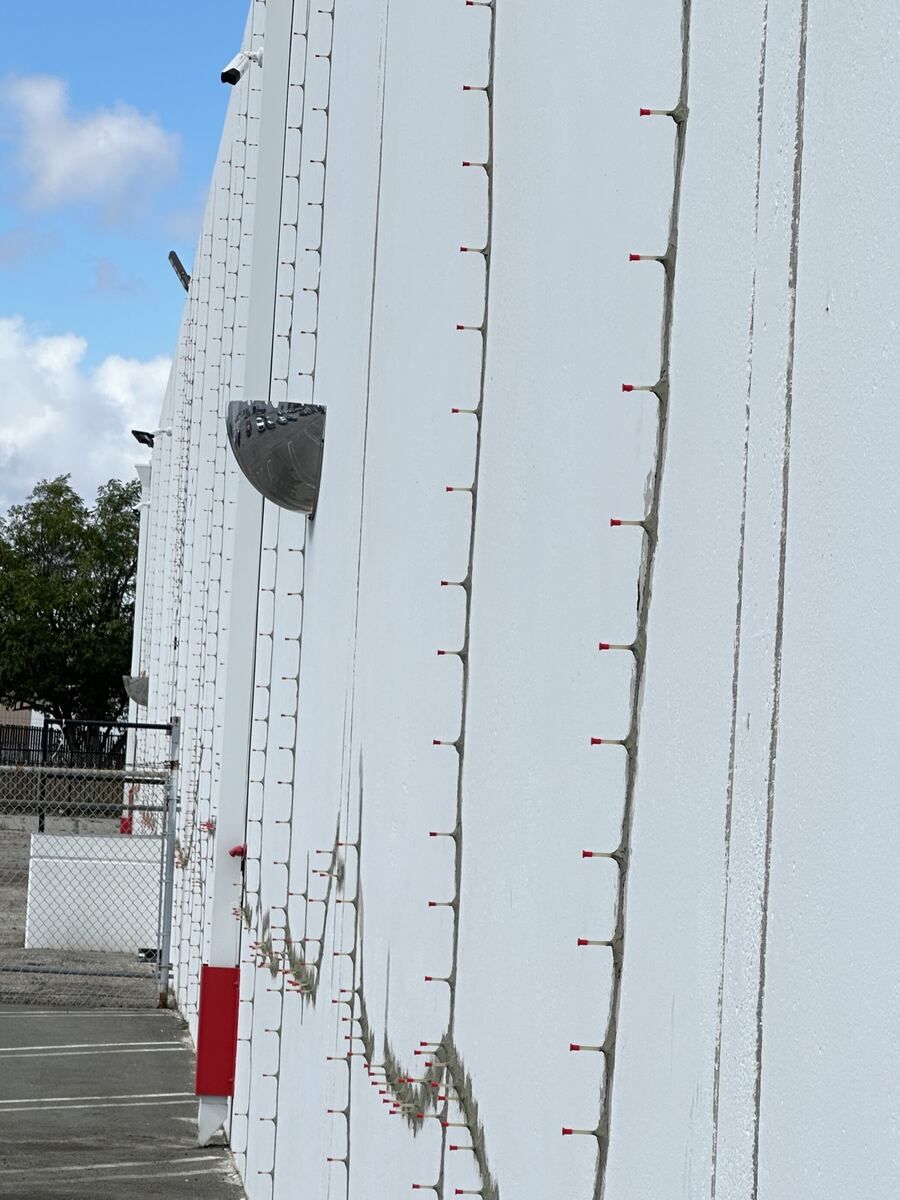
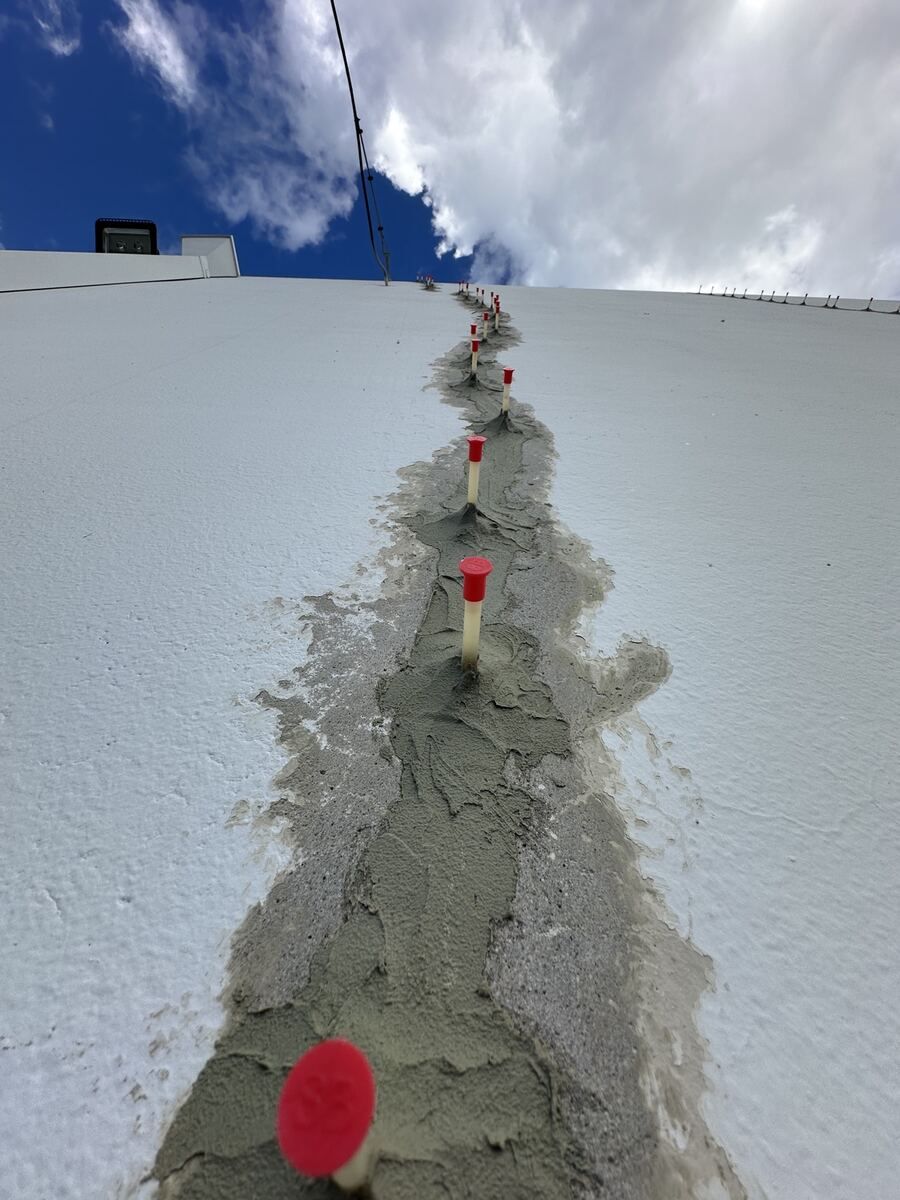
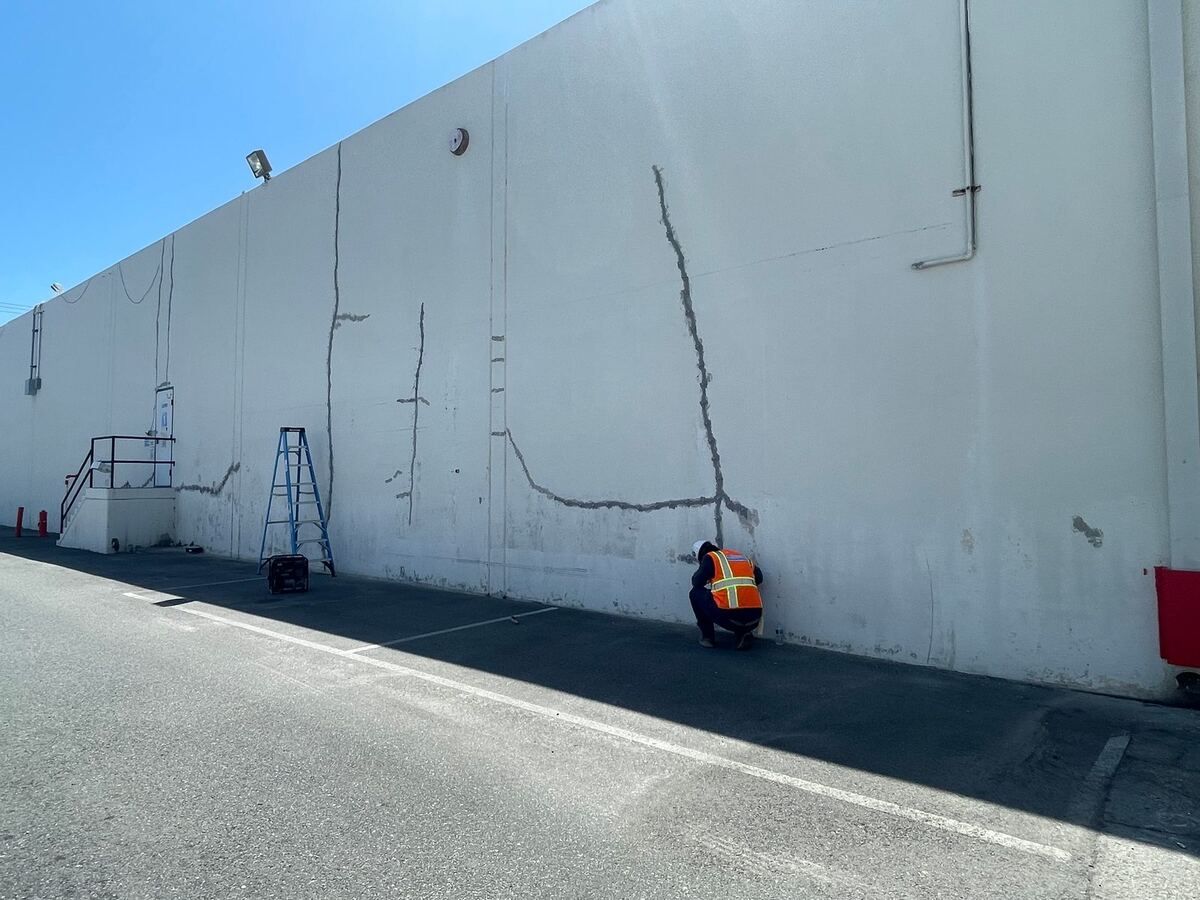
When concrete cracks, the fix isn’t filler. Structural epoxy crack injection routes and seals the crack, sets injection ports, and forces structural-grade epoxy deep into the full depth of the crack under pressure. The epoxy bonds the concrete back together so the repaired section carries load again, often as strong as the original pour.
It’s a core part of our structural and concrete repair practice, and it keeps water and air out of the crack so the reinforcing steel inside doesn’t corrode.
When you need it
- Cracked structural & grade beams
- Cracked concrete walls & columns
- Foundation & slab cracks
- Post-earthquake structural cracking
- Water intrusion through cracked concrete
- Cracking that exposes rebar to corrosion
How a crack injection goes
Map
Trace the crack’s full run and assess depth and cause.
Port & Seal
Set injection ports and surface-seal the crack to hold pressure.
Inject
Pump structural epoxy under pressure to fill the crack full-depth.
Finish
Remove ports, grind flush, and refinish the surface.
Two published documents sit behind those four steps. ASTM C881 is the specification for epoxy-resin bonding systems for concrete. It sorts them by type, grade and class, and grade is viscosity, which is what decides whether a resin will travel a narrow crack instead of stopping at the face. ICRI publishes a separate guideline on verifying field performance of epoxy injection, covering how finished work gets checked, including core sampling and nondestructive testing. We name the resin classification in the scope.
Injection happens with the doors open
Hardly any of this work lands in an empty building. Warehouses keep shipping, offices keep working, and the repair fits around that rather than the other way around.
A sealed work area
We wrap the section under repair and cover what sits below it, so grinding and cutting dust stays inside the barrier. Everything on the other side of that wrap carries on as normal.
Access sorted up front
Where the lift stands, where material and gear get staged, which aisles and doors have to stay clear, and how the area is handed back at the end of a shift: settled with your facility team before a crew shows up.
A wet trade with a clock
Liquid resin and the surface seal over it both have to cure before the ports come off, before the repair is asked to carry load, and before any paint or coating goes on top. So a run of cracks gets worked in passes, and you always know which pass the area is in.
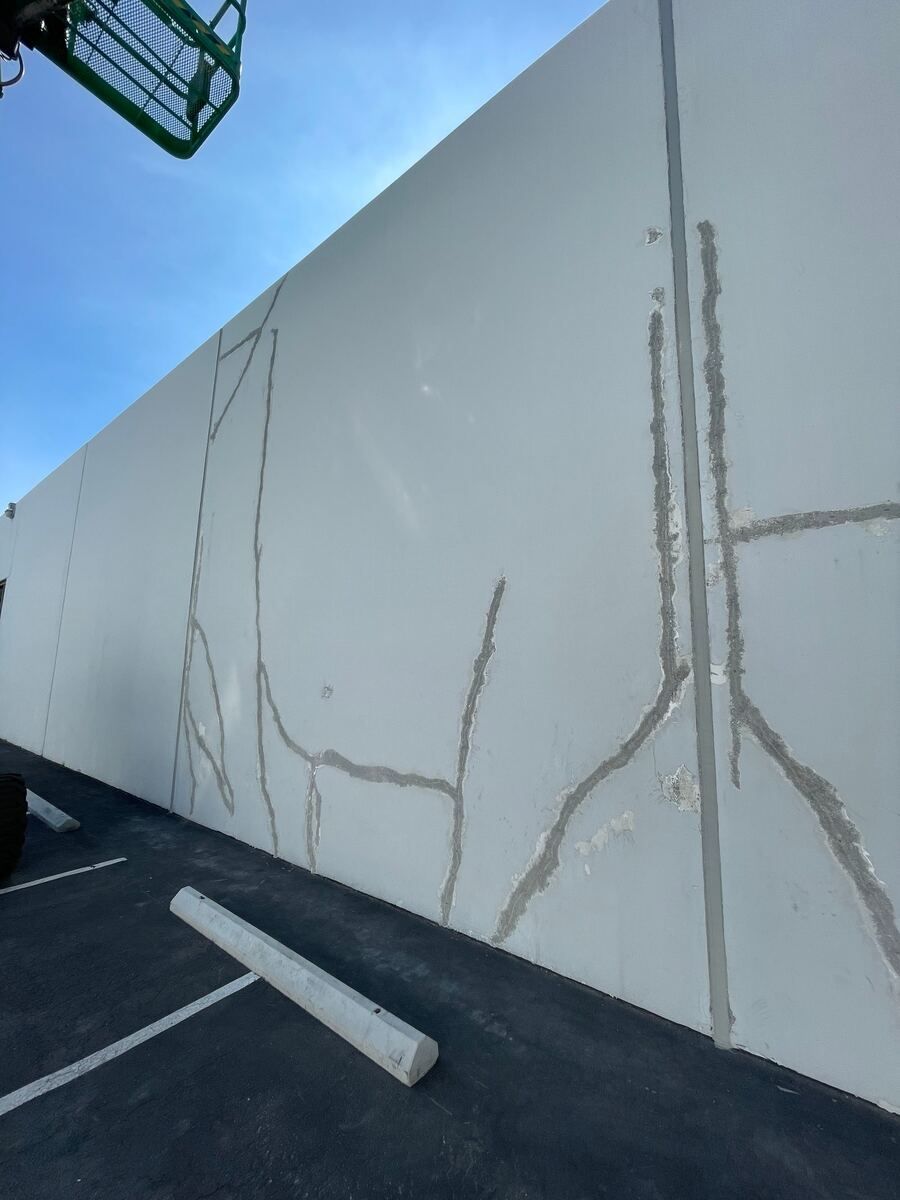
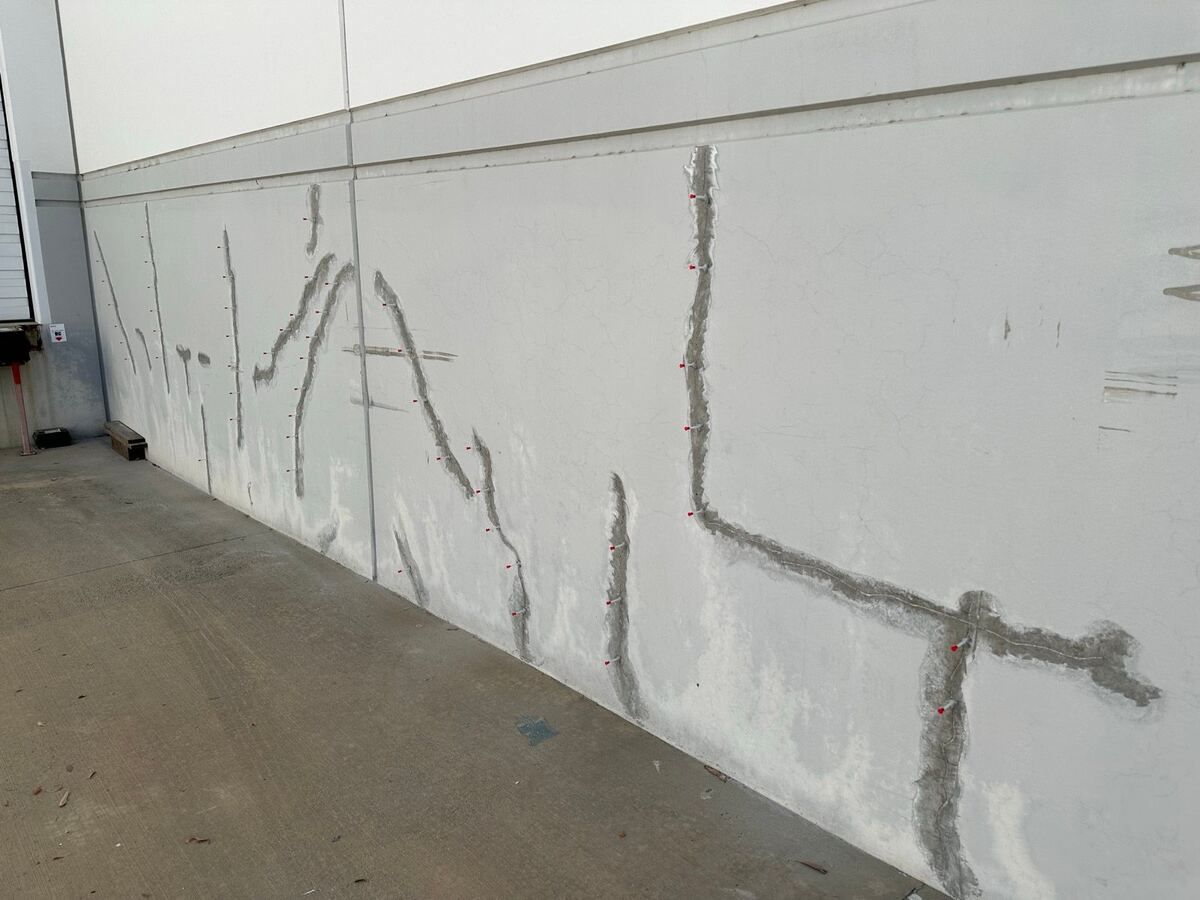
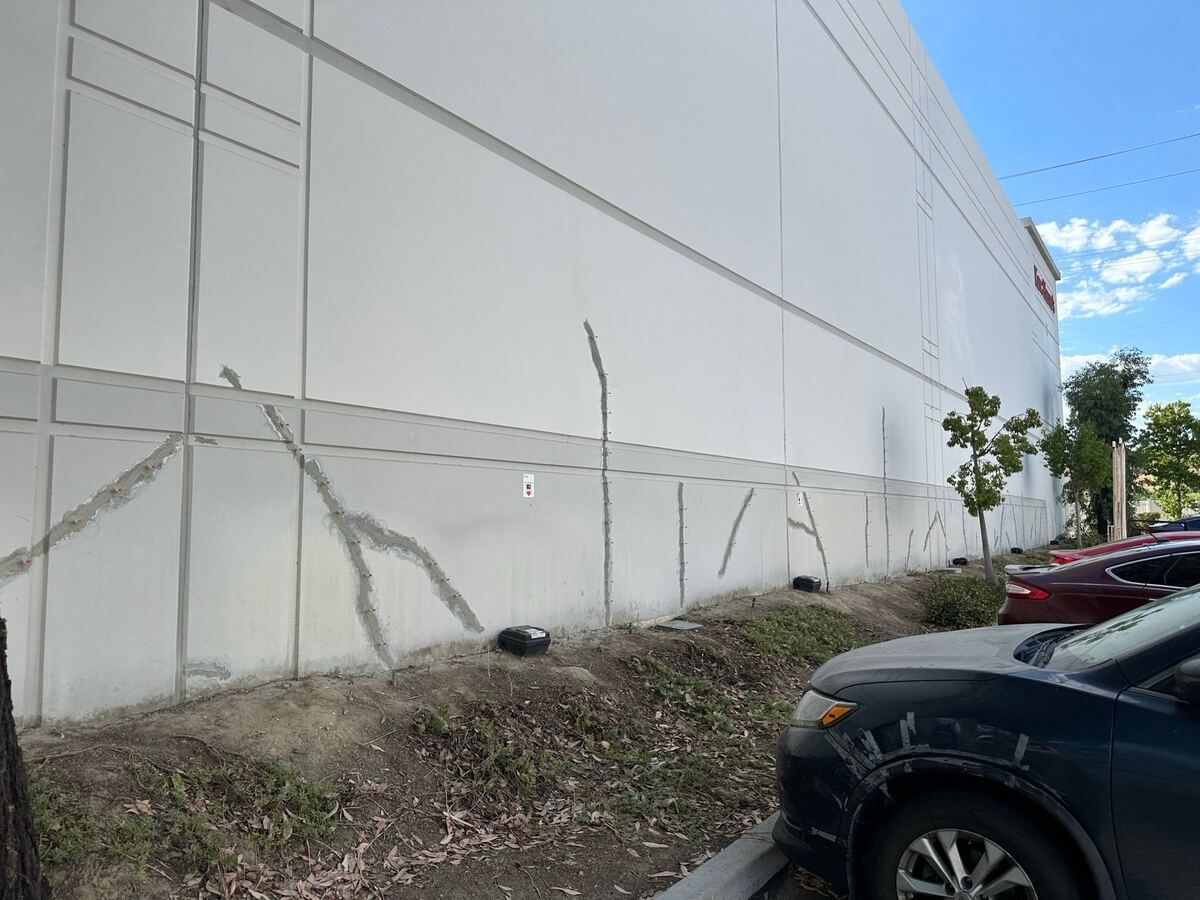
Epoxy injection in the field
Common Questions
Will the crack open up again?
Only if whatever caused it is still going on. Cured resin is rigid. Bond a crack that is still moving, from settlement, from a load nobody ever fixed, from a slab that grows in the heat, and it will split again beside the old line. That is why we chase the cause before we quote the fix. Anything that keeps moving gets a flexible joint instead of a rigid bond.
The crack is wet. Does that change anything?
It changes the material and the sequence, so say so when you call. Structural epoxy will not bond to a face that is running water, and a crack with water moving through it has to be dried out or dried out first first. Finding that out on the day costs you a mobilization. Finding it out on the phone costs you nothing.
How urgent is this really?
Judge it on whether the picture is changing. A crack that is dry, holding still, and away from a connection can wait for a budget cycle, and we will say so. What does not wait is one that is getting wider, staining or weeping, dropping grit on the floor below, or sitting where a beam lands. Mark a crack with a dated pencil line at each end. If the ends move, you have your answer.
What makes one injection job cost more than another?
Four things, mostly. Total length of cracking and how many separate runs it breaks into. Whether a crew can reach it off a ladder or needs a boom lift and a closed-off ground area. Whether the face has to be brought back to a finish afterward or is a bare warehouse wall nobody looks at. And whether the calendar forces the work into nights and weekends.
Got a crack you’re worried about?
Send us a photo: we’ll tell you whether it’s structural and what the repair takes.
Request an Assessment